Rug Pull Explained How It Happens And How To Avoid
· based on the channel MC STUDIO
A rug pull is a type of crypto scam where developers create a token, attract investors, and then suddenly withdraw liquidity, causing the token price to crash and leaving investors with worthless tokens. This is especially prevalent in meme coins on blockchains like Solana, where launching tokens is relatively easy and often done without much regulation or oversight. Understanding how rug pulls work is essential for both developers and investors to identify risks and avoid losses.
How Rug Pulls Occur in Solana Meme Coins
Rug pulls on Solana typically start with the creation of a meme coin using platforms such as Specmint, which simplify token setup without coding. Developers configure the token supply, mint authority, and freeze authority, which govern how many tokens can be minted or burned and who controls these processes.
Then liquidity is added to decentralized exchanges (DEXs) like Raydium or pump.fun, where users can trade the token. The rug pull happens when the creators remove this liquidity pool, effectively draining the market’s ability to trade the token, causing its value to collapse instantly.
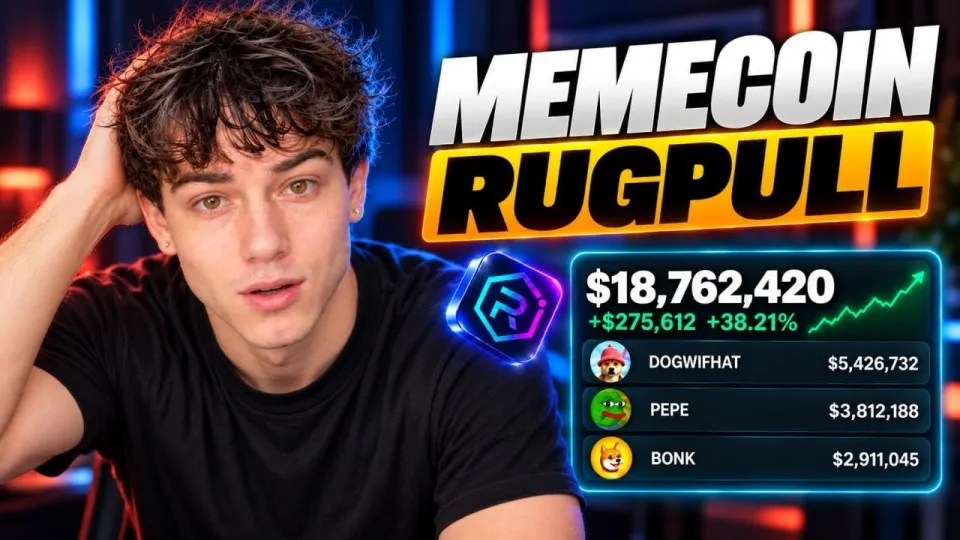
Video: Rug Pull Tutorial | Rug Pull and Creating a Solana Meme Coin
Token Supply, Authorities, and Liquidity Management
The token supply is a crucial factor in rug pulls. Many scams involve minting a large supply and then locking only a portion in liquidity, keeping the rest under the developer’s control. Mint authority allows creators to produce more tokens after launch, which can dilute value or be used in manipulative schemes.
Freeze authority gives the power to freeze token transfers, potentially trapping investors’ assets. Legitimate projects often renounce these authorities to build trust, but rug pull scams rarely do.
Liquidity pools on platforms like Raydium are where the token is paired with a base asset (e.g., SOL or USDC). Removing liquidity from these pools is the classic rug pull move, as it makes selling the token impossible or extremely costly.
Launching Meme Coins on pump.fun and Raydium
Pump.fun is a platform that allows quick token launches with bonding curve liquidity models, attracting hype-driven investors. Raydium is a prominent Solana-based DEX where liquidity pools enable token trading.
Steps to launch a meme coin typically include:
- Creating an SPL token with desired supply and authorities using tools like Specmint.
- Adding liquidity to pump.fun or Raydium pools.
- Promoting the token to attract buyers.
Unfortunately, these steps also make it easy to perform rug pulls by withdrawing liquidity once enough investors buy the token.
Common Rug Pull Patterns and Red Flags
Recognizing rug pull schemes involves spotting warning signs such as:
- Token creators retaining mint or freeze authority.
- Liquidity pools not locked or time-locked.
- Unverified or anonymous token developers.
- Sudden large withdrawals of liquidity after initial token sales.
- Unrealistic promises or hype without technical backing.
Investors should research token holder distribution and liquidity status on-chain and use tools for token contract verification.
How Liquidity and Token Prices Are Manipulated
Manipulation tactics include creating artificial demand by coordinated buying (pump), then removing liquidity (dump). This causes rapid price increases followed by crashes, trapping late investors. Developers may also mint new tokens to sell into the market, diluting prices.
Advanced schemes involve bonding curves where token price depends on liquidity, allowing creators to control price indirectly by adjusting liquidity levels.
Essential Security Checks Before Buying New Tokens
To avoid rug pulls, investors should:
- Verify token contract and authorities via Solana explorers.
- Check if liquidity is locked or can be withdrawn.
- Analyze token distribution and developer wallet activities.
- Look for community reviews and developer transparency.
- Avoid projects with anonymous teams or unclear tokenomics.
Developers can also protect their projects by renouncing mint/freeze authorities and locking liquidity to build investor trust.
Useful Links
- Create your meme coin: https://specmint.cc
Conclusion
Rug pulls remain a significant risk in the crypto market, especially with easy-to-launch Solana meme coins. Understanding how tokens are created, how liquidity works on DEXs like Raydium and pump.fun, and recognizing common scam patterns can help investors make safer decisions. Always perform thorough security checks and research before investing in new tokens. This article is based on the educational tutorial by MC STUDIO, which offers detailed insights into Solana token creation and rug pull mechanics. Visit Specmint to explore token creation tools and learn more about safe crypto development and investing.
Key takeaways
- Rug pulls involve creators withdrawing liquidity to scam investors.
- Solana meme coins can be created and launched using platforms like pump.fun and Raydium.
- Token authorities control minting and liquidity, critical for detecting rug pulls.
- Liquidity manipulation affects token price and investor trust.
- Security checks and red flags help investors avoid rug pull scams.
Source: Rug Pull Tutorial | Rug Pull and Creating a Solana Meme Coin · Markdown version
Questions & answers
What is a rug pull in cryptocurrency?
A rug pull is a scam where developers create a token, attract investors, then withdraw liquidity, causing the token price to crash and investors to lose their funds.
How can I spot a rug pull in Solana meme coins?
Look for red flags like developers retaining mint or freeze authority, unlocked liquidity pools, anonymous teams, or sudden liquidity withdrawals after token launch.
What platforms are commonly used to launch Solana meme coins?
Popular platforms include pump.fun and Raydium, which allow easy creation and liquidity deployment of Solana tokens, but also pose risks for rug pulls.
How can investors protect themselves from rug pulls?
Perform security checks such as verifying token contracts, checking liquidity locks, analyzing token holder distribution, and avoiding projects with anonymous developers or unclear tokenomics.